
EQUIPMENT & TECHNICAL SOLUTIONS
Artificial lift solutions
Compare lift technologies, equipment families, and support for your production requirements.
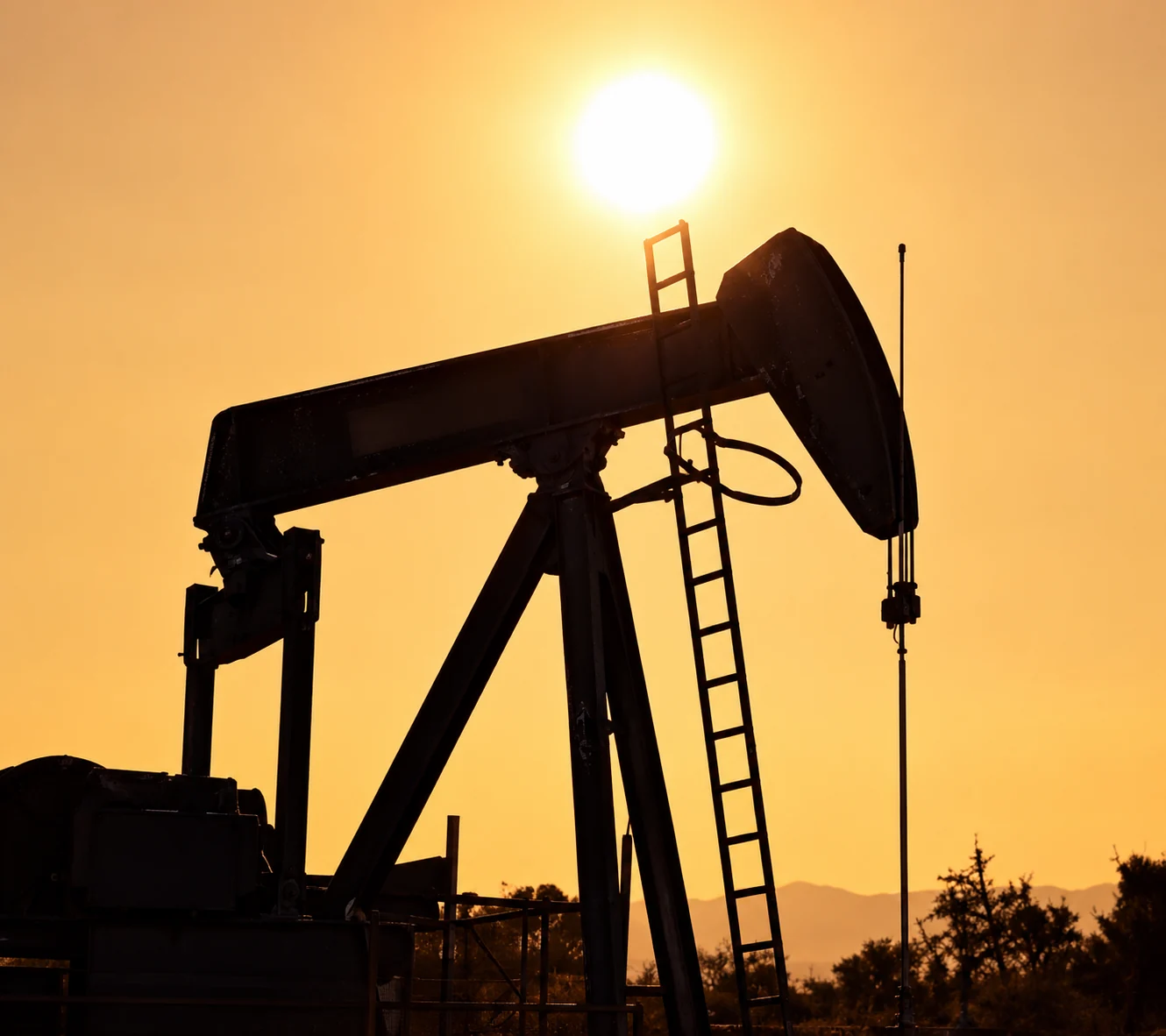
NOVA / EQUIPMENT & TECHNICAL SUPPORT
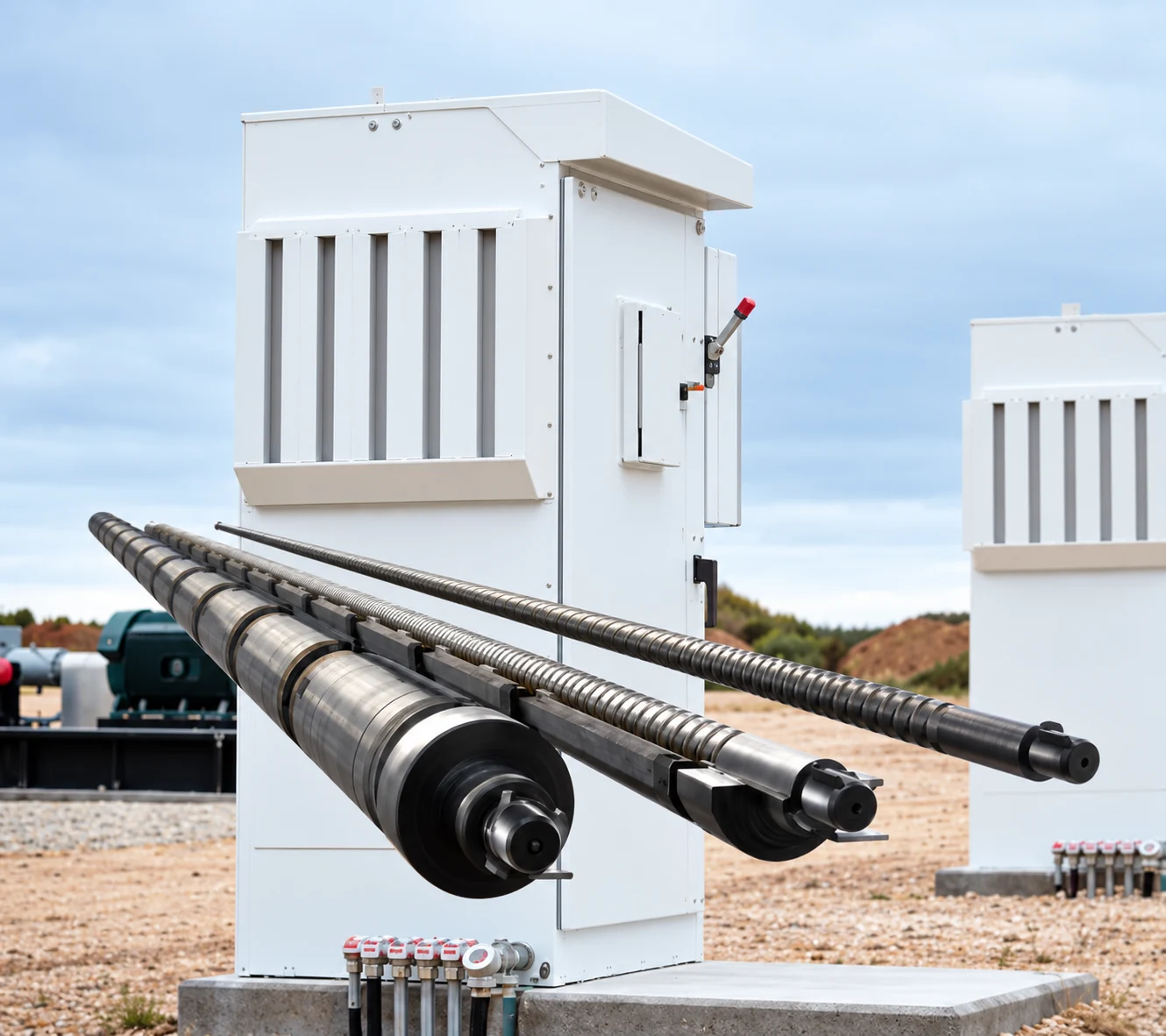
HOW IT FITS THE OPERATION
Different lift methods. One production objective.
Artificial lift adds energy when the well cannot bring the required fluid to surface using natural reservoir energy alone. ESP, progressive cavity and rod pumping systems achieve that objective through different equipment arrangements, with different relationships between the downhole assembly and the surface installation.
The useful starting point is therefore the well and the production objective, rather than a preferred technology in isolation. NOVA’s lift portfolio brings these equipment families into one discussion so that the operating conditions, existing infrastructure and proposed supply can be considered on a consistent basis.
APPLICATION CONTEXT
Electrical submersible pumps
The original parts offering identifies pump-component series 338–1025 and motor series 375–562, alongside gas separators and intakes. These are equipment-identification references; confirm the selected assembly, power, voltage, current and compatibility. See the ESP specification page for the fuller system and model information.
APPLICATION CONTEXT
Progressive cavity pumps
PCP systems use a rotor-and-stator arrangement to move fluid. The application discussion needs to distinguish surface pumping packages from downhole artificial lift and consider the fluid alongside the equipment.
APPLICATION CONTEXT
Rod pumping systems
Rod lift connects surface pumping equipment with a downhole pump through the rod string. Treating these elements as a system keeps the discussion focused on the complete installation and its replacement requirements.
Select for the well.
Lift selection starts with production targets, fluid characteristics, gas and solids content, well geometry, and available surface infrastructure. Discuss these conditions with NOVA before choosing a system.
Equipment & lifecycle support
Explore lift systems, replacement components and horizontal-pumping options for onshore and offshore applications. The original offering also invited subsea horizontal-pumping enquiries for brownfield projects; these require confirmation of current capability and project-specific scope. Review the HPS package details when discussing a surface installation.
Compare lift approaches around the well
Establish a shared well description
Begin with the available well and production information rather than assuming that one lift method will suit every case. Describe the current installation, production objective, fluid characteristics and operating constraints. Include relevant well geometry and depth information where it is available. If conditions have changed, explain what changed and when. A clear starting description supports a more useful comparison of ESP, PCP and rod pumping options.
Consider the equipment as a system
The downhole assembly, surface equipment, power supply and monitoring arrangement need to be considered together. Identify which equipment is existing, which items are being replaced and which interfaces are fixed by the project. Compare proposed options against the same application information and scope. Visit the complete ESP page for its published model ranges and equipment details, or discuss the information needed to review a different lift approach.
LET’S TALK ABOUT YOUR OPERATION
Your next requirement.
Let’s move it forward.
Connect with NOVA to discuss equipment, applications, and technical support.