
ARTIFICIAL LIFT / PROGRESSIVE CAVITY PUMPS
PCP equipment.
Built around
the application.
Define the fluid, the duty and the installation before selecting the pump configuration.
APPLICATION REVIEW
ROTOR & STATOR
SURFACE & DOWNHOLE
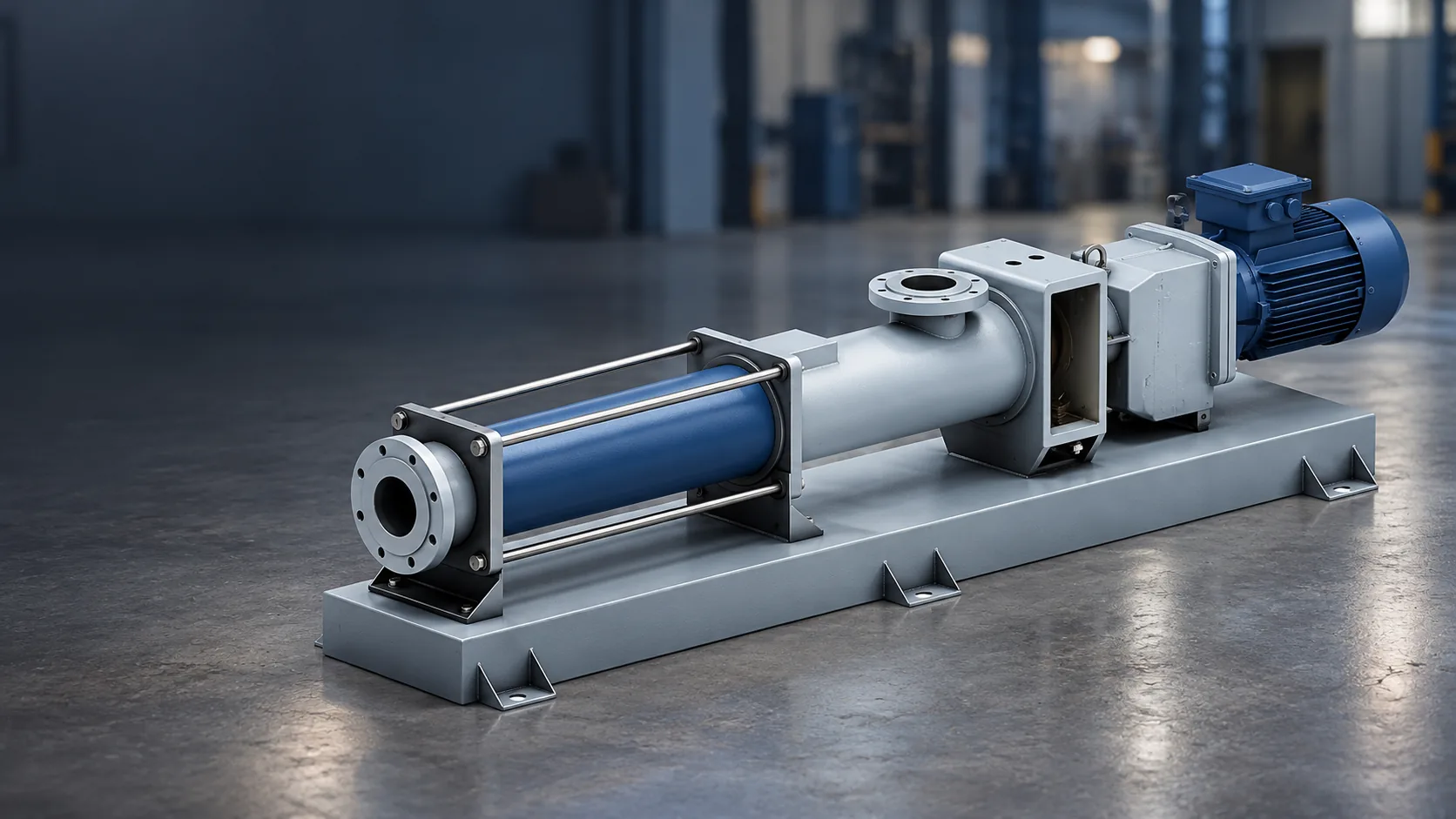
SURFACE PCP / EQUIPMENT REFERENCE
A package starts with understanding the duty.
START WITH THE APPLICATION
The right questions.
A clearer configuration.
Progressive cavity pump selection brings together the fluid, operating conditions, pump components and the wider installation. A surface pumping package and a downhole artificial-lift system require different equipment configurations.
NOVA supports PCP equipment enquiries by connecting the application information with the rotor, stator, drive and replacement-component discussion. Start by identifying the intended duty, the equipment already in service and the scope you need to supply or replace. This gives the review a practical basis before a configuration is proposed.
HOW IT FITS THE OPERATION
Understand the pumping principle and the installation.
A progressive cavity pump moves fluid through a sequence of cavities formed by a rotor turning within a stator. This rotor-and-stator relationship is central to the pump, but the application discussion also needs to consider the drive, materials and the installation in which the assembly will operate.
PCP enquiries can concern a downhole artificial-lift system or a surface package. Those are different equipment arrangements, even though they share the same broad pumping principle. NOVA’s discussion connects the required service with the pump components and associated equipment, while keeping the distinction between surface and downhole requirements clear.
APPLICATION CONTEXT
Production applications
For a downhole requirement, the well and production information establish the context for reviewing the lift equipment. Existing completion and surface arrangements belong in the same discussion as the pump.
APPLICATION CONTEXT
Surface pumping packages
A surface application connects the pump with a drive, supporting package and process interfaces. The proposed arrangement should be considered against the incoming stream and the required operating duty.
APPLICATION CONTEXT
Rotor and stator replacements
Replacement enquiries need identifiable references and documented dimensions or material requirements. A visual match alone cannot establish that components belong together or suit the intended service.
THREE PARTS OF THE SAME DISCUSSION
Connect the fluid, the components and the installation.
01
The fluid & the duty
Describe fluid viscosity, solids and gas content, operating temperature and the required capacity. Note changes in fluid behaviour that the operating team has observed, together with the available suction, discharge or well information.
FLUID / FLOW / OPERATING CONDITIONS
02
Rotor & stator requirements
Discuss rotor and stator geometry, material selection and elastomer compatibility using the confirmed application information. Existing equipment references and documented specifications help keep a replacement enquiry tied to the installation.
GEOMETRY / MATERIALS / COMPATIBILITY
03
The complete installation
Identify the surface or downhole application, the drive requirements and any existing equipment that will remain in service. A coordinated scope should distinguish the pump assembly, associated equipment and the interfaces that need to be reviewed.
PUMP / DRIVE / SYSTEM INTERFACES

ROTOR & STATOR / REFERENCE VIEW
Understand the assembly. Confirm the application.
COMPONENT SELECTION
Look beyond the pump’s appearance.
A reference image can introduce the arrangement of a PCP assembly, but it cannot confirm suitability or interchangeability. The diagram shown here is a surface PCP reference. Use the equipment identification and application information to establish what your installation actually requires.
For replacements, provide the existing pump or component reference, any available drawings, dimensions and documented material requirements. State whether you need a complete assembly or individual replacement components. Rotor and stator compatibility, wetted materials and the proposed duty need to be reviewed together.
FROM ENQUIRY TO EQUIPMENT SCOPE
Give the review
a useful starting point.
A focused enquiry makes the technical conversation more productive. Separate the information you have confirmed from the items that need investigation, and explain the outcome you want from the proposed equipment.
01
Define the operating requirement
Share the required flow, operating temperature and available fluid information. For a surface application, include the suction and discharge information available to your team. For downhole enquiries, identify the well and completion information available for review.
02
Identify the installation
State clearly whether the requirement concerns a surface package or downhole artificial lift. Describe the current arrangement, the reason for the enquiry and the equipment that will remain in service.
03
Document the replacement scope
Provide equipment references, component numbers, quantities and useful photographs. Include available dimensions and interface information. Identify missing or provisional information so that it can be resolved during the technical discussion.
04
Review the proposed configuration
Check the proposed equipment against the confirmed application and documented specifications. Discuss the pump, drive and associated scope together. Final material selection and compatibility require a project-specific review rather than a visual match.
THE TECHNICAL LIBRARY
Explore the documents.
Define the next step.
Browse the original documents, note the relevant page or equipment reference, and confirm current specifications with NOVA. ESP and LESP downloads are related artificial lift references; they are not PCP-specific selection guides.
PDF / ROD LIFT & RELATED EQUIPMENT
Artificial lift equipment
Use the existing artificial lift catalogue to identify equipment references and prepare your enquiry. Confirm the relevant configuration, current specifications and availability with NOVA.
PDF / ELECTRICAL SUBMERSIBLE PUMPS
NOVA ESP equipment
Explore the existing NOVA ESP catalogue as a technical starting point. Refer to the relevant equipment and document pages when discussing a well-specific requirement.

PDF / LESP CATALOGUE
Linear electrical submersible pumps
Review this linear electrical submersible pump reference as part of the wider artificial lift discussion. Confirm equipment suitability and the applicable supply scope with our team.
Existing reference documents. Product suitability, current availability and the final technical scope are confirmed for each enquiry.
PUMP PACKAGE & CONTROL DETAILS
Connect the pump with the complete supply scope.
Pump, drive and installation
The original PCP offering includes the rotor-and-stator pump assembly, fixed-speed or variable-speed drive, gearbox, electric motor, junction box, surface electrical equipment and controls. Surface packages can be skid-mounted or containerised. The required arrangement depends on whether the application is downhole lift or surface multiphase boosting.
Stator elastomers
Elastomer selection is reviewed against the fluid composition, H₂S and CO₂ exposure, temperature and operating conditions. Rotor, stator and elastomer requirements belong within the same application review; a material suitable for one service may not suit another.
Monitoring and protection
The published controls offering includes programmable variable-speed drive packages, pump-off protection, SCADA interfaces and monitoring of auxiliary site systems. Automatic flush-by functionality and suction-pressure-based speed control can be discussed for the relevant surface package and agreed control configuration.
Surface multiphase duties
Surface PCP packages can be considered for boosting low-pressure well streams into higher-pressure gathering systems. Review gas, liquid and solids handling together, including high-gas and high-volume limitations. The published surface range and its application conditions are provided on the dedicated surface PCP page.
LET’S DEFINE YOUR REQUIREMENT
Your fluid. Your duty.
A focused PCP discussion.
Send NOVA the available application information, existing equipment references and requested supply scope. We can discuss PCP equipment, replacement components and the next technical questions for your installation.