
TREATMENT · PROTECTION · FLOW
Production & drilling chemicals
Production treatment, drilling-fluid additives and supporting chemistries, organised by application.
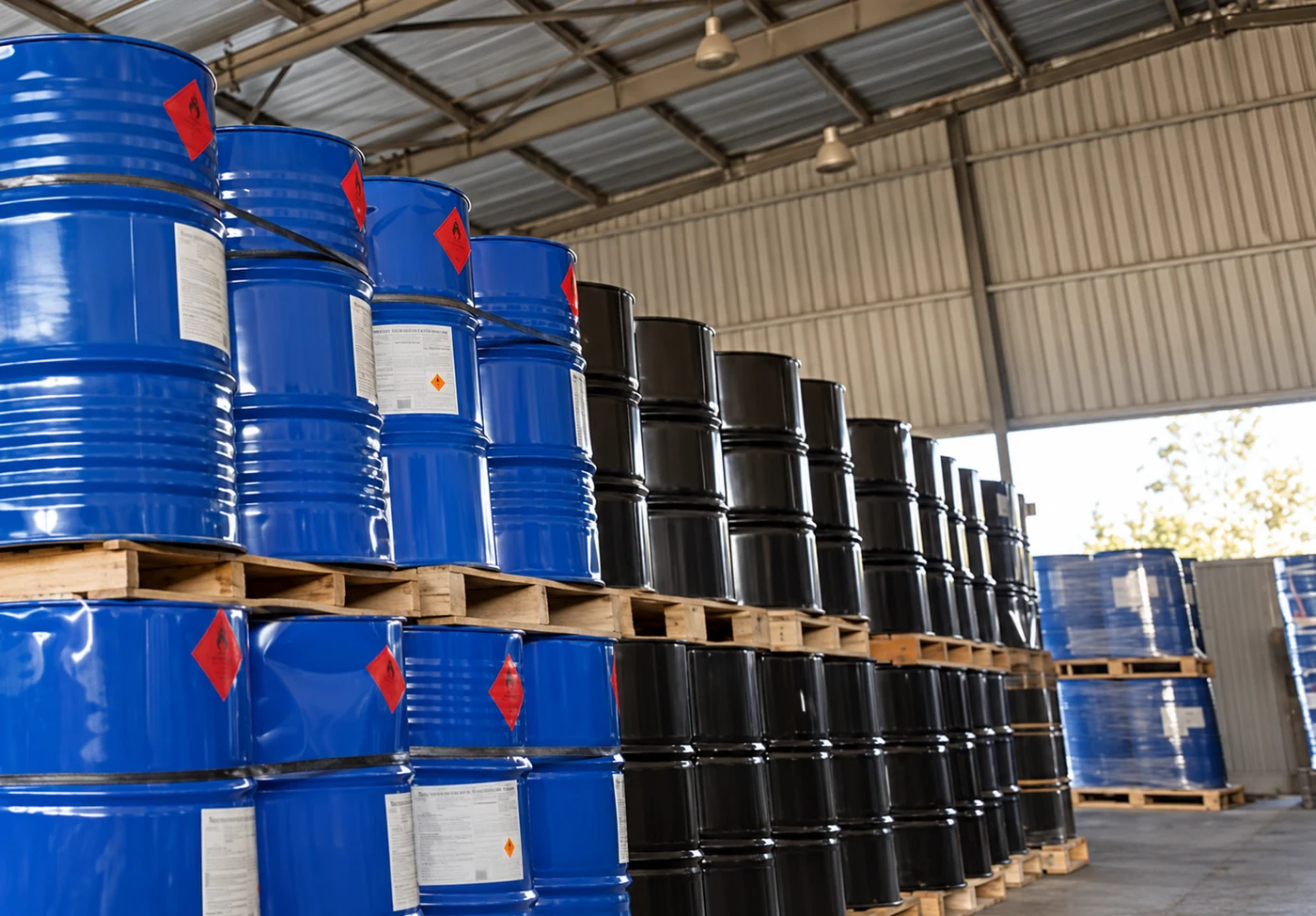
NOVA / EQUIPMENT & TECHNICAL SUPPORT
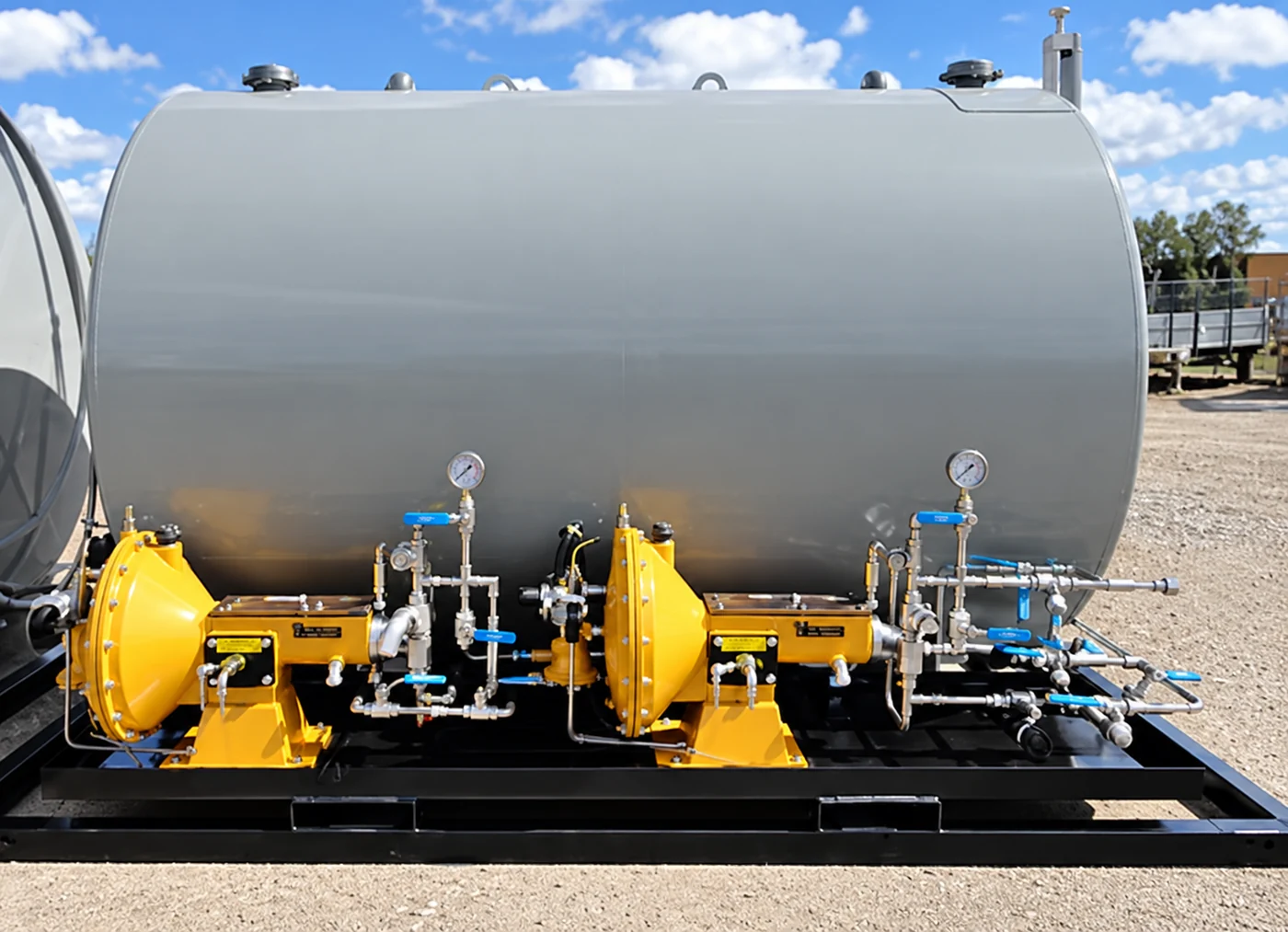
EQUIPMENT REFERENCE
HOW IT FITS THE OPERATION
Protect equipment. Manage the production stream.
Production chemicals address different operating challenges, including corrosion, scale, separation and water-related treatment. The treatment objective needs to be understood in the context of the stream and the equipment it passes through. A product category alone does not establish whether a particular formulation is suitable.
NOVA’s chemical offering is therefore considered alongside the operating issue and the delivery arrangement. Treatment selection, injection equipment and the wider process should be discussed together. This keeps the chemical programme connected with the practical conditions of the facility instead of treating the product as a standalone consumable.
APPLICATION CONTEXT
Asset protection
Corrosion and scale enquiries concern the conditions experienced by the equipment and the production stream. Existing observations and treatment history provide context for identifying the protection objective and the next technical questions.
APPLICATION CONTEXT
Oil and water handling
Emulsion and water-treatment enquiries are connected with the intended separation or water-quality outcome. The process stage and the destination of the treated stream help frame the discussion.
APPLICATION CONTEXT
Treatment delivery
A chemical treatment must also be considered in terms of how it reaches the process. Injection equipment, handling arrangements and current product documentation form part of the practical supply conversation.
FROM THE PRODUCTION CHEMICAL CATALOGUE
Production chemicals & water treatment.
Production chemicals ↗ / Drilling & completion chemicals ↗
Explore selected products and the applications described in our published chemical catalogue. These are catalogue references rather than a current stock list; confirm availability, current technical and safety data, and application suitability with NOVA.

ENHANCED CATALOGUE REFERENCE
01 / OIL TREATMENT
Demulsifiers & desalter treatment
The PC D Series covers emulsion-breaking applications, with different references for different crude characteristics. The catalogue identifies PC D 1505 for higher-API oil, PC D 9306 for heavier, lower-API oil, and PC DS 301 and PC DS 9301 for desalters. The aim is to support oil–water separation; the formulation is selected through laboratory and field testing.
Catalogue reference: page 19

CATALOGUE / PAGE 20
02 / ASSET PROTECTION
Corrosion inhibitors
The range includes water-soluble, oil-soluble and dispersible film-forming products. PC CI 2101 is described for carbon-dioxide corrosion in oil–water mixtures, while PC CI 2134 is listed for flowlines and trunk lines carrying crude or gas. The catalogue also describes controlled-release DURACAPS CI for downhole treatment. Match the product to the corrosion mechanism, fluid conditions and treatment arrangement.
Catalogue references: pages 11–13 and 20

CATALOGUE / PAGE 24
03 / DEPOSIT CONTROL
Scale inhibitors
Mineral deposits can become a treatment concern in production and water-handling systems. The catalogue lists PC SI 3404 and PC SI 3405 for inhibiting carbonate and sulphate scale formation. DURACAPS SI is presented as a controlled-release downhole option. These references provide a starting point for reviewing water chemistry, deposition conditions and the appropriate treatment approach.
Catalogue references: pages 13–14 and 17

CATALOGUE / PAGE 24
04 / MICROBIAL CONTROL
Biocides
The PC B range includes products for water-injection systems and sulphate-reducing bacteria control. Examples include PC B 1110, PC B 1111 and PC B 1100, with additional biocide references elsewhere in the catalogue. Product selection is tied to the organisms and conditions in the system; the catalogue calls for testing before a recommendation is made.
Catalogue references: pages 10, 22 and 24

CATALOGUE / PAGE 23
05 / PROCESS STABILITY
Antifoams & defoamers
Foam-control products cover several process duties. PC DF 100 is listed for water injection, PC DF 200 for water-treatment applications, and PC DF 900 for cementing, completion and workover operations. PC DF 30 and PC DF 300 are referenced for gas–oil separators and refinery vacuum units. Selection depends on the process fluid and the location of the foaming problem.
Catalogue references: pages 10 and 20

CATALOGUE / PAGE 29
06 / FLOW ASSURANCE
Wax control & pour-point depressants
The catalogue distinguishes pour-point depressants from paraffin inhibitors and flow improvers. Examples include PC PPD 4508 and PC PPD 4522, alongside PC PI 4505 and PC PI 4506. These product families address crude-flow and wax-deposition challenges. Crude characteristics, temperature, deposition location and existing operating conditions inform the testing and treatment discussion.
Catalogue references: pages 21–22

CATALOGUE / PAGE 25
07 / WATER SYSTEMS
Water-treatment chemicals
The water-treatment section brings together oxygen scavengers, biocides, corrosion inhibitors, scale inhibitors and foam-control products. PC CI 2302 and PC CI 2305 appear among the oxygen-scavenger references. The wider original offering also includes deoilers and water clarifiers for oil-in-water separation and clarification enquiries. Applications include injection water, cooling systems, steam systems and effluent treatment; selection depends on water quality and the required process outcome.
Catalogue references: pages 23–25

CATALOGUE / PAGE 23
08 / GAS & MIXED STREAMS
Gas treatment & specialty products
The catalogue includes gas-sweetening products, H₂S and mercaptan scavengers, hydrate inhibition and well-unloading products. Named references include PC H2S Scav 2003 for gas and mixed-flow streams, PC Inhib 10 for naphthenate control, PC GHI 7100 for gas hydrates and PC F20 for water removal from gas wells. Each application requires its own technical review.
Catalogue references: pages 23 and 28–29
Read the production chemical catalogue ↗
The catalogue is an existing reference document (revision May 2012). Product names are included to help identify an enquiry. Final selection, dosage and compatibility require current product information and application-specific testing.
Application first.
Start with your operating conditions, technical requirements, and project priorities.
Production treatment
Explore corrosion inhibitors, scale inhibitors, biocides, emulsion breakers, and water-treatment chemicals.
Application support
The original application scope includes drilling fluids, mud/cement spacers, completion/workover fluids, stimulation fluids and chemical enhanced-oil-recovery enquiries. Field service and technical backup, including specialist chemistry or research support where agreed, can form part of the project scope. Define the testing, documentation and field assistance required. Chemical enhanced oil recovery is distinct from produced-water recovery and reuse.
Start a technical conversation
Useful information includes the application, fluid characteristics, operating pressure and temperature, required capacity, existing equipment, and project location. Share only information appropriate for an initial enquiry.
PRODUCTION / SPECIALIST TREATMENT
Specialist production chemicals.
Additional production-chemical families cover oil separation, organic deposits, fouling and gas conditioning. Named catalogue references are highlighted below.

CATALOGUE / PAGE 25
SPECIALIST PRODUCT REFERENCES
Oil separation & desalting
PC D 1506 is listed for emulsion treatment and water separation, while PC D 9031 is referenced for emulsions in salted crude. The specialist chemistry list also includes PC SP 30, an interphase cleaner for demulsification, and PC Inhib 130 for enhancing desalting. These complement the D Series and desalter references described above.
Catalogue pages 19 and 30

CATALOGUE / PAGE 29
SPECIALIST PRODUCT REFERENCES
Asphaltene & naphthenate control
PC AI 135 and PC AI 135-1 appear in the catalogue as asphaltene inhibitors. PC NaplNHIB 50 is listed as a naphthenate inhibitor. These specialist references help distinguish organic-deposit and naphthenate enquiries from the mineral-scale treatment families. Confirm the deposit characteristics and current product data before selecting a treatment.
Catalogue page 30

CATALOGUE / PAGE 18
SPECIALIST PRODUCT REFERENCES
Antifoulant products
The specialist range includes PC AF 201C, PC AF 202 and PC AF 1011 as antifoulant chemistries. These are separate catalogue entries from the antifoam products used for foam control. Identify the fouling location, process stream and operating conditions when requesting current technical information for this product family.
Catalogue page 30

CATALOGUE / PAGE 28
SPECIALIST PRODUCT REFERENCES
H₂S, mercaptans & iron sulphide
Additional scavenger references include PC Scav 100, PC S 100 and PC H2S Scav 2012. The catalogue also lists PC XD4DC for H₂S scavenging and iron-sulphide removal. Supply the fluid phase, contaminant information and treatment objective so the relevant product documentation and application requirements can be reviewed.
Catalogue pages 28 and 30

CATALOGUE / PAGE 8
SPECIALIST PRODUCT REFERENCES
Gas sweetening & foam control
The gas-treatment section lists PC PR 2204 and PC PR 2205 as DIPA-based products, and PC PR 2207 as an MDEA product. PC AF 250 is referenced as a silicone antifoaming agent for the Sulfinol process. The required gas-treatment process and existing plant chemistry establish the context for reviewing these references.
Catalogue page 23
Product references are drawn from the existing catalogue. Current availability, technical and safety data, compatibility and the treatment programme must be confirmed for the application.
DRILLING / COMPLETION / SUPPORTING CHEMISTRIES
Drilling & completion chemicals.
Find drilling detergents and supporting fluid components separately from the production-treatment range above. The wider scope includes completion, workover, stimulation and maintenance applications; each product must be matched to its intended fluid system.

CATALOGUE / PAGE 8
DRILLING / FLUIDS & MAINTENANCE
Drilling detergents, cleaners & fluid additives
The wider range includes emulsifiers, solvents, foamers, drilling detergents and rig washes. PC S 5640 is listed as a cleaning concentrate for fresh or seawater; PC DD 706 and PC DD 707 are described for water-based muds and mud/cement spacers; the catalogue identifies PC DD 707 as incorporating a defoamer. The original scope also includes surfactants, wetting agents, lubricants, spotting fluids, torque reducers and completion/workover-fluid components, including diverting resins. The catalogue covers drag-reduction and tank-cleaning applications. Confirm the fluid system and current product data for the intended use.
Catalogue references: pages 15–18, 26–27 and 31

CATALOGUE / PAGE 30
COMPLETION / STIMULATION & FORMULATION
Stimulation solvents & emulsifiers
PC H 600 and PC H 602 are described as solvent components for acidizing fluids. PC H 610 is listed as a hydrocarbon solvent for formulated preparations. The catalogue also includes emulsifiers PC E 200 and PC E 201 for applications such as downhole emulsification, pipeline emulsification and tank cleaning. Confirm current compatibility and handling documentation for the proposed use.
Catalogue page 15
Discuss the mud or fluid system, temperature, compatibility, handling requirements and required technical documentation. Catalogue references identify the enquiry; they do not replace current product data or application testing.
Plan the treatment and its delivery together
Start with the production issue
Describe the issue you are trying to address, where it occurs and how it affects the operation. Existing treatment records, fluid information and observations from the field can provide context for a technical discussion. Separate measured information from assumptions, and explain whether the enquiry concerns a new treatment programme, an existing product or a change in operating conditions. Product suitability and dosage need application-specific review rather than selection from a product name alone.
Include the injection arrangement
The way a chemical is stored, transferred and injected forms part of the requirement. Share the proposed injection point, available utilities, control expectations and relevant equipment information. Where an injection skid or pump is involved, identify the existing arrangement and the boundaries of the requested supply. Provide handling and site requirements with the enquiry, and confirm product documentation, material compatibility and the agreed treatment approach before making a purchasing decision.
LET’S TALK ABOUT YOUR OPERATION
Your next requirement.
Let’s move it forward.
Connect with NOVA to discuss equipment, applications, and technical support.