
EQUIPMENT & TECHNICAL SOLUTIONS
Horizontal multistage pumps (HPS)
Pumping systems for water injection, fluid transfer, pressure maintenance, and related duties.

NOVA / EQUIPMENT & TECHNICAL SUPPORT
HOW IT FITS THE OPERATION
Surface pumping with a complete package view.
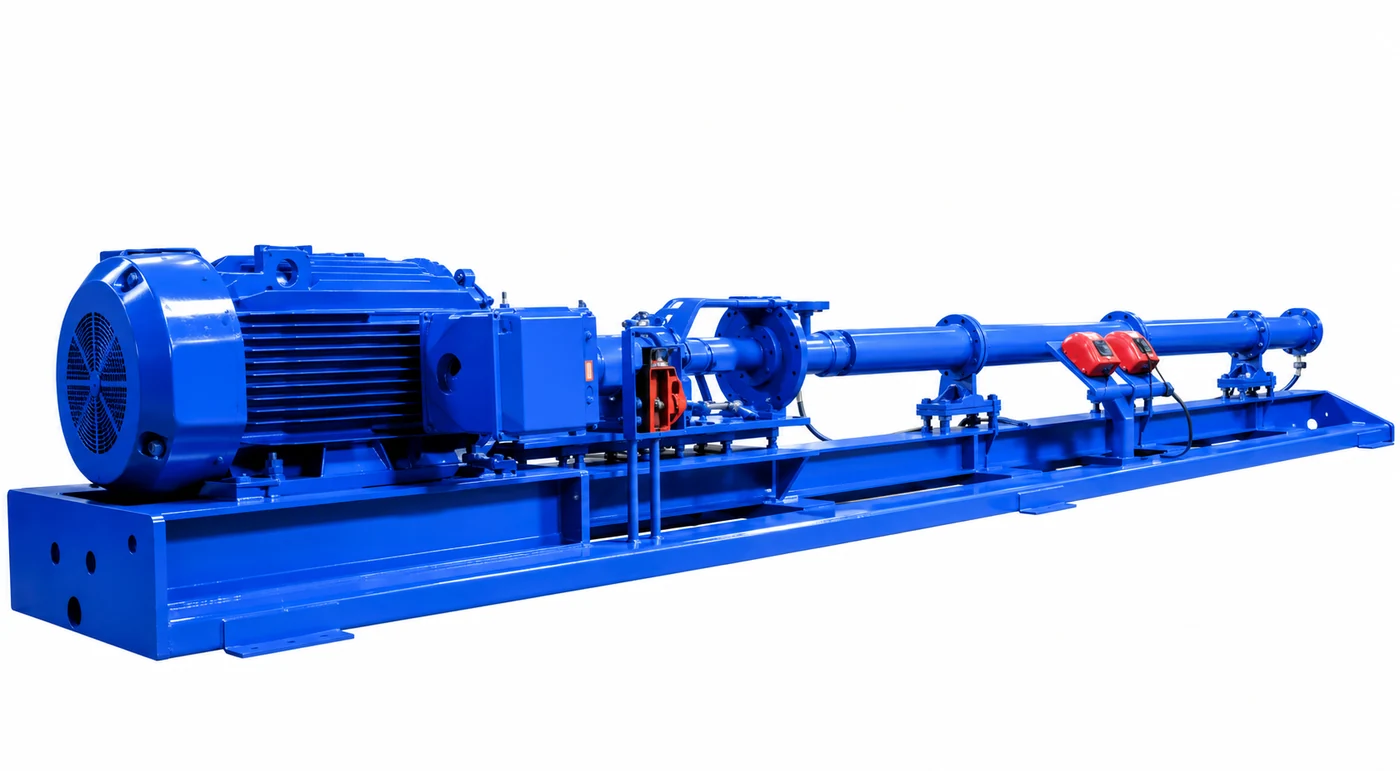
A horizontal multistage pumping system combines the pump with the equipment that supports its surface installation. The motor, thrust chamber, intake, discharge arrangement and instruments form part of the package, while the process connections determine how it fits within the facility.
NOVA’s published HPS offering covers produced-water injection, disposal, pressure maintenance, pipeline boosting, crude transfer and mine-dewatering applications. Each service brings its own fluid characteristics, pressure conditions and installation requirements. The fluid and operating requirement remain central to deciding which configuration and supporting equipment need to be reviewed.
APPLICATION CONTEXT
Injection and disposal
Water-related duties connect the pumping package with the source stream and the receiving system. The required capacity and pressure conditions shape the review of the equipment and its process interfaces.
APPLICATION CONTEXT
Transfer and pressure support
Crude transfer and pipeline-boosting enquiries focus on the job the package must perform within a wider flow system. Normal operating conditions and other duty cases need to be distinguished.
APPLICATION CONTEXT
Monitoring and maintenance
Pressure, flow, vibration, bearing and motor-related monitoring can form part of the discussion. Instrumentation, shutdown logic and service access must be specified around the actual package and the site requirements.
A coordinated pumping package
Review the pump, thrust chamber, intake, discharge, skid, motor, and instrumentation as one system. Drive selection and control requirements should reflect the application.
Monitoring & protection
Discuss suction and discharge pressure, flow, vibration, lubricant condition, bearing temperature, and motor monitoring. Instrumentation and shutdown logic must be specified for the actual equipment.
Applications & serviceability
NOVA’s published offering includes produced-water injection, disposal, pressure maintenance, pipeline boosting, crude transfer, and mine dewatering applications. Confirm materials, maintenance access, and operating limits with our team.
Prepare the HPS duty and package information
Define the operating requirement
An HPS enquiry should explain the fluid service and the required pumping duty. Share available suction conditions, discharge requirements, capacity and temperature information, and identify which values are normal operating conditions and which represent other cases that need review. Include any known fluid characteristics relevant to the equipment discussion. When replacing an existing unit, provide its nameplate details and explain the operational reason for the proposed change.
Review the complete installation scope
A horizontal pumping package also involves its drive, support arrangement, instruments, controls and process connections. Describe the available power, proposed location and the interfaces with existing equipment. Note restrictions on footprint, access or maintainability that your project has already identified. Drawings and connection information help establish the package boundaries. For a broader comparison of pumping approaches, see the pumping solutions overview before narrowing the enquiry to a particular HPS configuration.
RESTORED PACKAGE & ENGINEERING DETAILS
The pump, thrust chamber, drive and protection system.
Pump stages and materials
Each rotating impeller adds velocity to the fluid, and the stationary diffuser converts that velocity into pressure before the next stage. Stages are combined to meet the required head. In the original design description, diffusers also provide a bearing surface that supports pump-shaft stability. The original standard impeller/diffuser material is ASTM A436 Ni-Resist Type 1. Options described include tungsten-carbide components, radial stabilisation, corrosion-resistant materials and component hardening.
Shaft material options
The original standard shaft material is high-strength K-500 Monel, with 17-4PH, Nitronic 50 and Inconel alternatives listed. Material selection, internal polymer coatings and tungsten-carbide bearings are reviewed against corrosion, erosion and the service conditions.
Thrust chamber
The compression-stage arrangement fixes the impellers to the shaft as one assembly, with developed thrust carried by an external bearing chamber. During normal operation, the described compression-stage design is intended to avoid axial impeller/diffuser contact, subject to the selected configuration. Earlier reference figures include a 25,000 lb thrust rating, standard intake pressure of 150 psi and an intake-pressure option quoted up to 2,100 psi, with intake flanges up to 12 inches. Confirm the selected chamber and configuration.
Intake and discharge connections
The original discharge arrangement uses a flange bolted to the pump head and sealed with O-rings. ISO or ANSI connection options were listed in sizes including 4, 6 and up to 12 inches, with discharge options quoted up to 5,000 psi. Size, pressure class, sealing and interface requirements must be confirmed together.
Skid and drive arrangement
Packages use a steel I-beam base and pump supports. The earlier offering describes factory-mounted components and modular service access. Motors are three-phase induction units, typically two-pole around 3,600 rpm, with four-pole options for lower-head duties. TEFC motors, gas or diesel drives, gearboxes, soft start and variable-speed control are among the listed options. The original gas-engine arrangement describes a 2:1 speed ratio achieved through a gearbox; confirm the ratio and drive configuration for the duty. Installation and alignment checks must follow the current equipment instructions, including for factory-mounted packages.
Instrumentation and shutdown functions
Available monitoring functions include suction and discharge pressure, low flow, vibration, thrust-chamber oil level, oil temperature and lubrication pressure. Motor winding and bearing RTDs can support temperature protection. Tank-level control can interface with a flow-control valve or VFD. Explosion-protected instruments and the final shutdown logic are specified for the installation.
Original HPS model reference tables
These tables retain the earlier published figures. Flow values are barrels per day (B/D); BEP is the best-efficiency-point reference. The old table did not state the pressure-column unit, so confirm units and current ratings before using these values for selection. Limits are model- and configuration-dependent.
675 series
| Type | Min B/D | BEP B/D | Max B/D | Stages | Max pressure* | Max shaft HP |
|---|---|---|---|---|---|---|
| 675-7000 | 5500 | 6800 | 9000 | 53 | 4550 | 1250 |
| 675-9000 | 6000 | 8800 | 11500 | 53 | 4200 | 1250 |
| 675-12500 | 9000 | 11500 | 15500 | 48 | 4000 | 1250 |
| 675-19000 | 12500 | 19500 | 25000 | 44 | 2750 | 1250 |
| 675-27000 | 23500 | 28000 | 34500 | 40 | 2700 | 1250 |
| 675-35000 | 33500 | 40000 | 46000 | 32 | 2500 | 1250 |
538 series
| Type | Min B/D | BEP B/D | Max B/D | Stages | Max pressure* | Max shaft HP |
|---|---|---|---|---|---|---|
| 538-1600 | 1100 | 1550 | 2000 | 272 | 6000 | 1000 |
| 538-2000 | 1700 | 2200 | 2700 | 251 | 6000 | 1000 |
| 538-2800 | 2000 | 3000 | 4000 | 196 | 6000 | 1000 |
| 538-3400 | 2500 | 3500 | 4500 | 179 | 6000 | 1000 |
| 538-4000 | 3500 | 4500 | 5500 | 100 | 4000 | 1000 |
| 538-5200 | 3900 | 5250 | 6600 | 68 | 4000 | 1000 |
| 538-5600 | 4000 | 5750 | 7500 | Confirm† | 4000 | 1000 |
| 538-7000 | 5000 | 7000 | 9000 | 68 | 4000 | 1000 |
| 538-10000 | 7000 | 9500 | 12000 | 68 | 4000 | 1000 |
* Pressure units require confirmation against the current datasheet. † The original 538-5600 row displayed “6800” in the stages column, an inconsistent entry requiring clarification; it is not presented as a validated stage count.
Applications from the original product pages
Produced-water injection, disposal and reservoir-pressure maintenance; waterflooding; crude transfer and pipeline boosting; CO₂ injection/boosting; mine dewatering; condensate and NGL transfer/boosting; testing-service transfer; power-fluid supply for hydraulic lift; lean-amine circulation; and coal-bed-methane fracturing duties. Each service requires its own pump configuration, materials and operating review.
Quality, testing and maintenance
The original offering emphasises modular component replacement, local servicing, sour-service options and a quality-assurance and testing programme. Define current inspection and test requirements, acceptance criteria and applicable API requirements with the supply scope. API 610 suitability or compliance must be confirmed for the specific proposed package, rather than assumed for the entire range.
LET’S TALK ABOUT YOUR OPERATION
Your next requirement.
Let’s move it forward.
Connect with NOVA to discuss equipment, applications, and technical support.